
Contents
- 🤖 What Are Drain Cleaning Robots?
- 🛠️ How They Work: The Engineering Behind the Clean
- 📈 The Evolution: From Augers to Automation
- 🆚 Comparing Robot Models: What to Look For
- 💰 Pricing & Investment: Is It Worth It?
- ✅ Pros and Cons: The Real Deal
- 💡 Practical Tips for Using Drain Cleaning Robots
- 📞 Getting Started: Finding the Right Robot for You
- Frequently Asked Questions
- Related Topics
Overview
Drain cleaning robots represent a significant leap in plumbing maintenance, offering automated solutions for clearing blockages in residential, commercial, and industrial pipelines. These sophisticated machines, often equipped with cameras, cutting heads, and high-pressure water jets, navigate complex pipe systems to identify and remove debris like grease, roots, and sediment. Early iterations focused on simple augers, but modern robots boast advanced AI for navigation and diagnostics, drastically reducing manual labor and downtime. Their adoption is driven by increasing infrastructure demands and the need for more efficient, less disruptive cleaning methods. While effective, the initial investment and specialized training required can be barriers for some users.
🤖 What Are Drain Cleaning Robots?
Drain cleaning robots, often referred to as sewer cameras or pipe inspection robots, are specialized pieces of equipment designed to navigate and clean blockages within plumbing and sewer lines. Unlike traditional methods that rely on manual drain augers or harsh chemicals, these robots utilize cameras, cutting heads, and powerful propulsion systems to identify, assess, and clear obstructions. They are primarily used by plumbing professionals and municipal wastewater management departments, offering a more efficient, less invasive, and more accurate approach to maintaining underground infrastructure.
🛠️ How They Work: The Engineering Behind the Clean
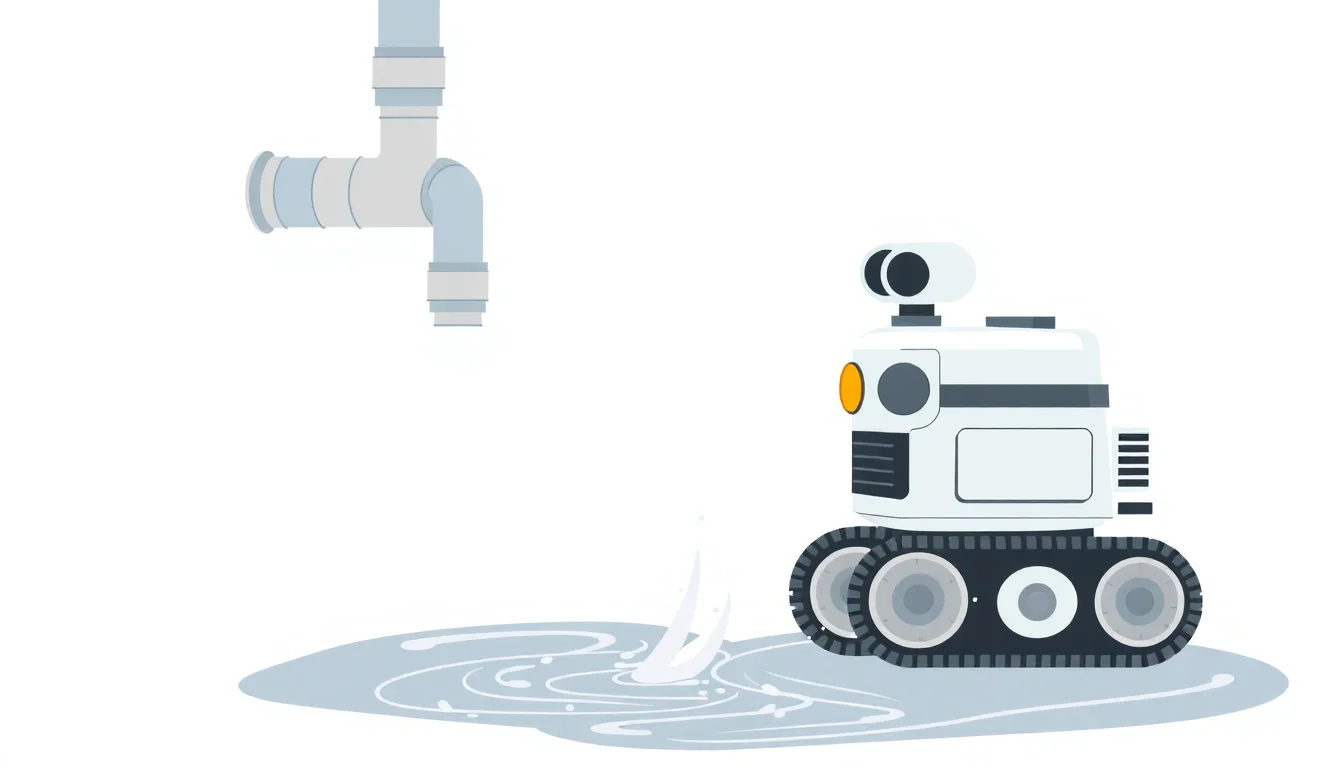
The core of a drain cleaning robot is its camera system, typically a high-resolution, waterproof camera mounted on a flexible or steerable crawler. This camera transmits live video feed to an operator's control unit, allowing for precise navigation and visual inspection of the pipe's interior. Many robots are equipped with interchangeable cutting heads – such as flails, chains, or drills – that can be attached to a powerful motor to grind away stubborn debris like grease buildup, tree roots, or hardened scale. Propulsion is often achieved through wheels or tracks, controlled remotely, enabling the robot to traverse bends and varying pipe diameters.
📈 The Evolution: From Augers to Automation
The concept of using technology to inspect and clear pipes isn't new, but the sophistication of drain cleaning robots represents a significant leap. Early sewer inspection tools were rudimentary, often just basic cameras on poles. The development of self-propelled crawlers in the late 20th century, particularly by companies like Rauschert and IBG, marked a turning point. The integration of advanced cutting technologies and digital recording capabilities in the 21st century has transformed them from mere inspection devices into powerful cleaning machines, drastically reducing the need for disruptive excavation.
🆚 Comparing Robot Models: What to Look For
When selecting a drain cleaning robot, consider the pipe diameter range it can accommodate, as models vary from 2-inch lines to large municipal sewers. camera resolution and lighting capabilities are crucial for clear diagnostics. Look for steerability features, especially if you frequently encounter complex pipe networks with multiple bends. cutting head versatility is paramount for tackling diverse blockages; some units offer multiple attachments for roots, grease, and concrete. durability and build quality are also key, as these machines operate in harsh environments.
💰 Pricing & Investment: Is It Worth It?
The investment in a drain cleaning robot can range significantly, from a few thousand dollars for basic inspection cameras to upwards of $50,000 or more for advanced, self-propelled cleaning units with sophisticated cutting systems. While the upfront cost is substantial, the long-term benefits often justify the expenditure for professional plumbing services. Reduced labor time, minimized need for excavation, and the ability to offer premium services like preventative pipe maintenance can lead to a strong return on investment, often within a few years of consistent use.
✅ Pros and Cons: The Real Deal
The advantages of using drain cleaning robots are numerous: unparalleled diagnostic accuracy thanks to high-definition cameras, effective removal of even the most stubborn blockages with specialized cutting heads, and a significant reduction in disruptive excavation. However, the steep learning curve for operating complex systems and the high initial purchase price can be deterrents. Furthermore, maintenance of these sophisticated machines requires specialized knowledge and can be costly. The reliance on power sources and the potential for mechanical failure in harsh underground conditions are also considerations.
💡 Practical Tips for Using Drain Cleaning Robots
When deploying a drain cleaning robot, always ensure the pipe is clear of loose debris before sending the robot in, if possible, to prevent entanglement. Thoroughly inspect the robot and its cutting attachments for any damage before each use. Operators should be well-trained in navigating the control interface and interpreting the camera feed to avoid causing further damage to the pipe. Regular maintenance schedules for the robot's camera, motor, and propulsion system are essential for longevity and reliable performance. Always have a backup plan in case of equipment malfunction.
📞 Getting Started: Finding the Right Robot for You
To get started with drain cleaning robots, identify your primary needs: are you focused on inspection, or do you require robust cleaning capabilities? Research reputable manufacturers like RIDGID, General Pipe Cleaners, and CUES, who offer a range of models. Request demonstrations and compare specifications based on your typical job requirements. Consider financing options if the upfront cost is a barrier. Many manufacturers offer training programs to ensure you can operate their equipment safely and effectively, maximizing your return on this significant technological investment.
Key Facts
- Year
- 2005
- Origin
- The concept of automated pipe inspection and cleaning began to gain traction in the early 2000s with advancements in robotics and camera technology, leading to the development of the first dedicated drain cleaning robots.
- Category
- Plumbing Technology
- Type
- Product Category
Frequently Asked Questions
Are drain cleaning robots suitable for residential use?
While primarily designed for professional use, some smaller, more affordable inspection cameras can be used by homeowners for basic diagnostics. However, the advanced cleaning robots with powerful cutting heads are generally too complex and expensive for typical residential needs and are best left to trained plumbing technicians.
What types of blockages can these robots clear?
Drain cleaning robots equipped with appropriate cutting heads can tackle a wide range of obstructions. This includes grease buildup, soap scum, mineral deposits, hardened scale, and even invasive tree roots that have penetrated pipe walls. Some specialized attachments can even break up concrete or other hard materials.
How do I maintain a drain cleaning robot?
Maintenance typically involves cleaning the camera lens and body after each use, lubricating moving parts, checking battery health, and inspecting cutting attachments for wear or damage. Refer to the manufacturer's manual for specific maintenance guidelines and recommended service intervals.
Can these robots navigate tight bends in pipes?
Yes, many modern drain cleaning robots are designed with flexible or steerable crawler systems that allow them to navigate multiple bends and elbows within plumbing systems. The degree of maneuverability often depends on the specific model and its articulation capabilities.
What is the typical lifespan of a drain cleaning robot?
With proper maintenance and care, a professional-grade drain cleaning robot can last many years, often 5 to 10 years or more. However, the lifespan can be significantly impacted by the harshness of the operating environment, frequency of use, and the severity of the blockages being cleared.