
Contents
Overview
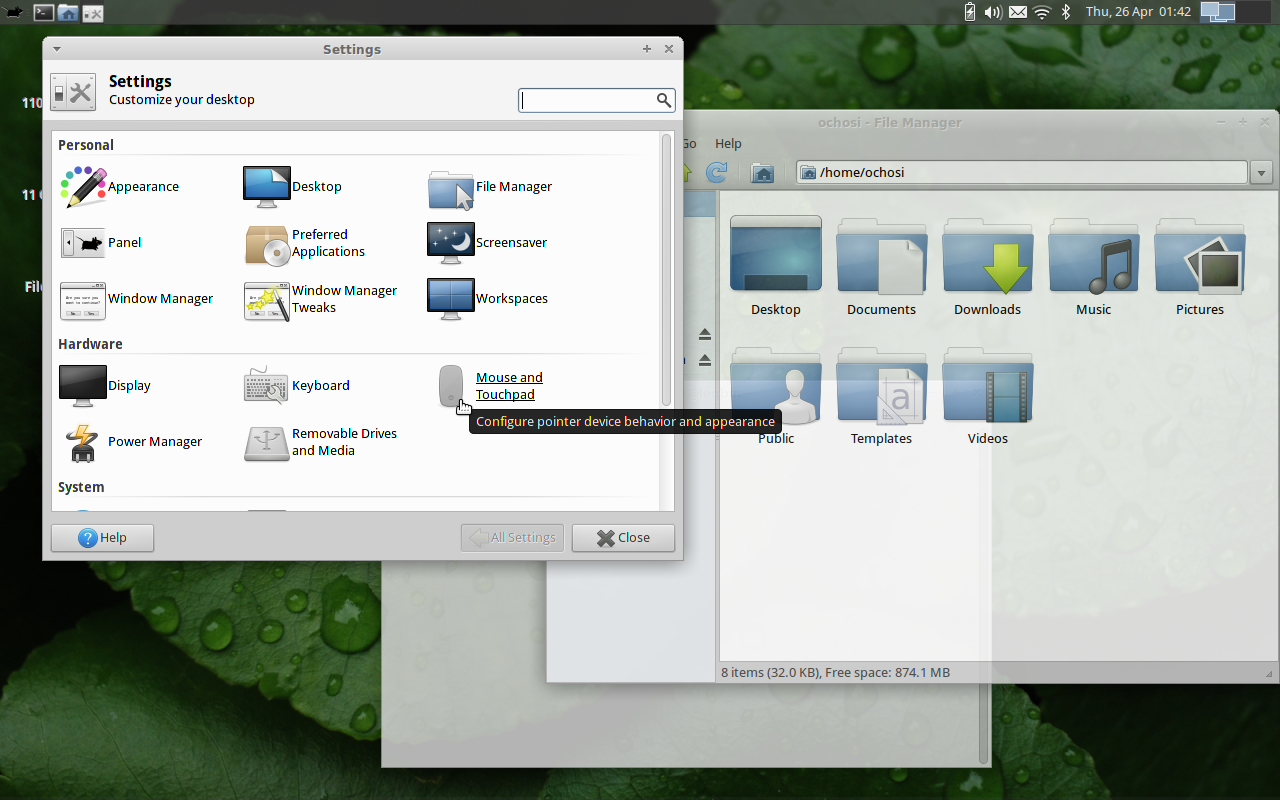
The concept of a user interface, as a distinct field, emerged with the advent of personal computing in the late 1970s and early 1980s. Early command-line interfaces (CLIs) required users to memorize and type specific commands, a paradigm established by systems like UNIX and MS-DOS. The revolutionary shift came with the graphical user interface (GUI), popularized by Xerox PARC's work and later commercialized by Apple and Microsoft Windows. These GUIs introduced visual elements like windows, icons, menus, and pointers, making computing accessible to a broader audience. In the realm of AI publishing, the UI's evolution mirrors this trajectory, moving from complex parameter inputs to more natural language processing (NLP) driven interactions, aiming to abstract away the underlying AI complexity for the creator.
⚙️ How It Works
Within AI-powered publishing platforms, the user interface acts as the primary conduit for a creator's intent to be translated into AI-driven actions. This involves input fields for prompts, text editors for refining AI-generated content, buttons for initiating processes like 'generate article' or 'optimize SEO,' and visual feedback mechanisms that display AI progress or results. For instance, a user might input a topic and desired tone into a text box, and the UI then formats this request for the underlying large language model (LLM). The UI also manages the output, presenting generated text in an editable format, perhaps with integrated tools for grammar checking or plagiarism detection, all designed to facilitate the user's control and creative direction.
📊 Key Facts & Numbers
The global market for UI/UX design services was valued at approximately $15.7 billion in 2023, underscoring the economic significance of effective interfaces. Studies indicate that a well-designed UI can increase conversion rates by up to 200%, while a poor UI can lead to a 40% bounce rate on websites. For AI publishing tools, the average user spends about 15-20 minutes per session interacting with the UI to generate and refine content. Platforms like Jasper AI and Copy.ai report millions of users, each engaging with their respective UIs to produce billions of words of content annually, demonstrating the sheer scale of UI-mediated AI content creation.
👥 Key People & Organizations
Pioneers like Douglas Engelbart, who demonstrated the first mouse and graphical interface in 1968, laid foundational groundwork. In the modern era, figures such as Steve Jobs championed user-centric design, making GUIs mainstream with Apple. For AI publishing, companies like OpenAI (creators of GPT-3 and DALL-E) and Google AI are not just developing the AI models but also designing the interfaces through which users access them, often via APIs or dedicated web applications. Startups like Copy.ai and Jasper AI have built entire businesses around intuitive UIs for AI content generation.
🌍 Cultural Impact & Influence
The UI in AI publishing profoundly shapes the creator economy, democratizing content creation and lowering the barrier to entry for aspiring authors, bloggers, and marketers. It has influenced how information is consumed, with AI-generated content appearing across numerous platforms, often indistinguishable from human-written text. This has sparked discussions about authenticity and the role of human creativity. Furthermore, the design patterns established in these UIs, such as prompt engineering interfaces, are becoming cultural touchstones, influencing how people conceptualize and interact with artificial intelligence in general, extending beyond just publishing into areas like art generation with Midjourney and Stable Diffusion.
⚡ Current State & Latest Developments
Current developments in AI publishing UIs are heavily focused on enhancing natural language interaction and contextual awareness. We're seeing a move towards 'conversational UIs' where users can chat with the AI to refine content, rather than relying solely on forms and buttons. Integration with existing workflows, such as Google Docs or Microsoft Word plugins, is also a major trend, allowing creators to use AI tools within familiar environments. Furthermore, UIs are becoming more personalized, adapting to individual user preferences and past interactions to offer more relevant suggestions and streamline the content creation process for specific niches.
🤔 Controversies & Debates
A significant debate revolves around the 'black box' nature of some AI models and how UIs can effectively represent complex AI processes without overwhelming users. Critics argue that current UIs often mask the limitations and biases inherent in LLMs, leading to a false sense of AI infallibility. Another controversy concerns the potential for UIs to oversimplify the creative process, potentially devaluing human authorship and leading to a homogenization of content. The ethical implications of AI-generated content, including issues of copyright and misinformation, are also frequently debated in relation to how UIs present and enable such content creation.
🔮 Future Outlook & Predictions
The future of AI publishing UIs points towards hyper-personalization and proactive assistance. Imagine UIs that not only generate content based on prompts but also anticipate user needs, suggesting topics, headlines, or even entire article structures based on real-time trends and the user's past performance data. We may see more immersive interfaces, potentially incorporating virtual reality or augmented reality elements for a more engaging creative experience. The ultimate goal is a UI that becomes an invisible partner, facilitating seamless creation and publication with minimal friction, blurring the lines between human and AI collaboration.
💡 Practical Applications
Practical applications of UI in AI publishing are vast. For content marketers, UIs enable the rapid generation of blog posts, social media updates, and ad copy, significantly boosting productivity. Authors can use these interfaces to overcome writer's block, draft chapters, or brainstorm plot ideas. Academic researchers and students might employ them for literature reviews or summarizing complex papers. Journalists can leverage UIs for drafting news briefs or analyzing large datasets for stories. Essentially, any professional or individual involved in creating written content can benefit from a well-designed AI publishing UI to enhance efficiency and output quality.
Key Facts
- Category
- technology
- Type
- concept