
Contents
- ⚡ What is Power Generation?
- 💡 Key Power Generation Methods
- 🌍 Global Power Generation Landscape
- 💰 Cost Considerations in Power Generation
- 📈 Future Trends in Power Generation
- ⚖️ Environmental Impact & Sustainability
- ⚙️ The Technology Behind Power Generation
- 🔌 Power Generation & Grid Integration
- Frequently Asked Questions
- Related Topics
Overview
Power generation is the process of converting primary energy sources into usable electrical energy. Historically dominated by fossil fuels like coal, oil, and natural gas, the sector is undergoing a seismic shift driven by climate concerns and technological innovation. Renewable sources such as solar, wind, hydro, and geothermal are rapidly gaining market share, while nuclear power remains a significant, albeit debated, low-carbon contributor. Emerging technologies like advanced battery storage, smart grids, and the long-sought goal of fusion power promise to reshape the energy landscape further. Understanding the interplay of economics, environmental impact, and technological feasibility is crucial for navigating this dynamic field.
⚡ What is Power Generation?
Power generation is the fundamental process of converting primary energy sources into electrical energy. For electric utilities, this is the critical first step before electricity is transmitted and distributed to homes and businesses. It involves transforming raw energy, whether from fossil fuels, nuclear reactions, or renewable sources, into a usable electrical current that powers our modern world. Understanding this process is key to grasping the entire energy sector's operations.
💡 Key Power Generation Methods
The methods for generating power are diverse, each with unique characteristics. Fossil fuel power plants, such as coal and natural gas facilities, burn fuels to heat water, creating steam that drives turbines. Nuclear power plants use nuclear fission to generate heat. Renewable energy sources like solar, wind, hydroelectric, and geothermal power harness natural processes to produce electricity, often with lower carbon footprints. Each method presents distinct advantages and challenges in terms of cost, reliability, and environmental impact.
🌍 Global Power Generation Landscape
The global power generation landscape is a dynamic mix of traditional and emerging technologies. While coal-fired power plants have historically dominated, there's a significant and accelerating shift towards natural gas power plants and renewable energy. Countries are increasingly investing in solar farms, wind turbines, and battery storage solutions to diversify their energy mix and meet climate goals. This transition is reshaping economies and geopolitical dynamics worldwide.
💰 Cost Considerations in Power Generation
The cost of power generation varies dramatically by source. Fossil fuels often have lower upfront capital costs but are subject to volatile fuel prices and increasing carbon taxes. Renewable energy technologies, particularly solar and wind, have seen substantial cost reductions in recent years, making them competitive with, and often cheaper than, new fossil fuel plants. Nuclear power requires massive upfront investment and long construction times, but can offer stable, low-cost electricity over its lifespan.
📈 Future Trends in Power Generation
The future of power generation is undeniably leaning towards cleaner, more distributed, and intelligent systems. Innovations in energy storage, such as advanced battery technologies and green hydrogen, are crucial for integrating intermittent renewables like solar and wind. Smart grid technologies and AI-driven grid management will optimize electricity flow, enhance reliability, and enable greater consumer participation. The push for decarbonization will continue to drive investment in low-carbon and zero-carbon generation methods.
⚖️ Environmental Impact & Sustainability
Environmental impact is a central concern in power generation. Fossil fuel combustion releases greenhouse gases contributing to climate change, alongside air pollutants like sulfur dioxide and nitrogen oxides. Nuclear power generates radioactive waste requiring long-term management. Renewable energy sources generally have much lower environmental footprints, though they can have localized impacts related to land use, water consumption, or wildlife. Sustainable power generation prioritizes minimizing these impacts through technological advancements and responsible resource management.
⚙️ The Technology Behind Power Generation
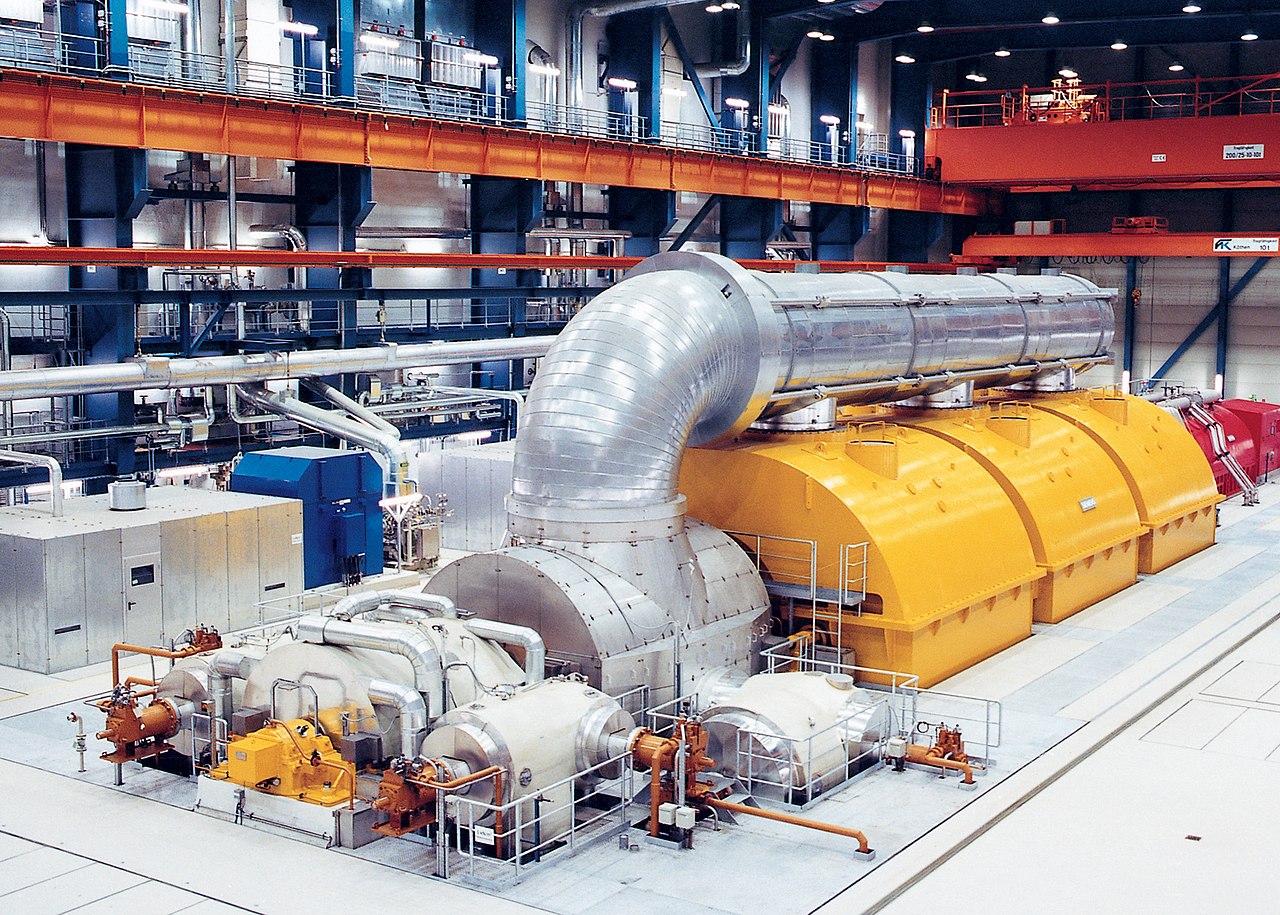
The technology underpinning power generation is constantly evolving. From massive steam turbines in thermal power plants to sophisticated photovoltaic cells in solar arrays and advanced aerodynamic designs in wind turbines, engineering plays a vital role. Combined cycle gas turbines offer high efficiency for natural gas plants, while advancements in fusion energy research hold long-term promise for virtually limitless clean power. The efficiency and reliability of these technologies directly impact the cost and sustainability of electricity supply.
🔌 Power Generation & Grid Integration
Integrating diverse power generation sources into the existing electric grid is a complex engineering challenge. Renewable energy sources, often located in remote areas, require robust transmission infrastructure. The intermittency of solar and wind power necessitates advanced grid management techniques and energy storage solutions to ensure a stable and reliable electricity supply. Smart grid technologies are essential for balancing supply and demand in real-time, accommodating distributed generation, and enhancing overall grid resilience.
Key Facts
- Year
- 1882
- Origin
- The first central electric power station, Thomas Edison's Pearl Street Station in New York City, began operation in 1882, marking the dawn of widespread electrification.
- Category
- Energy & Utilities
- Type
- Topic
Frequently Asked Questions
What is the difference between power generation and electricity transmission?
Power generation is the initial creation of electrical energy from primary sources. Electricity transmission is the process of transporting that generated electricity over long distances, typically at high voltages, from power plants to substations. Distribution then takes over to deliver power to end-users at lower voltages.
Which power generation method is the cheapest?
The cheapest method depends on various factors, including upfront capital costs, fuel costs, operational expenses, and government incentives. Currently, utility-scale solar and wind power are often the most cost-competitive for new installations, especially when considering their zero fuel cost and declining technology prices. However, the cost-effectiveness of natural gas power plants can be high due to lower capital investment and existing infrastructure.
How does climate change affect power generation?
Climate change impacts power generation through extreme weather events that can damage infrastructure, altered water availability affecting hydropower, and changes in temperature influencing cooling needs for thermal plants. Conversely, power generation, particularly from fossil fuels, is a major contributor to climate change, creating a feedback loop that necessitates a transition to cleaner energy sources.
What role does energy storage play in power generation?
Energy storage, such as battery storage, is crucial for modern power generation, especially with the rise of intermittent renewables like solar and wind. It allows excess energy generated during peak production times to be stored and then released when demand is high or when renewable output is low, improving grid stability and reliability.
Are there any completely new methods of power generation being developed?
Yes, significant research is ongoing in areas like fusion energy, which promises a virtually limitless and clean energy source, though commercial viability is still decades away. Other emerging areas include advanced geothermal systems, tidal energy, and novel solar cell technologies with higher efficiencies.