
Contents
Overview
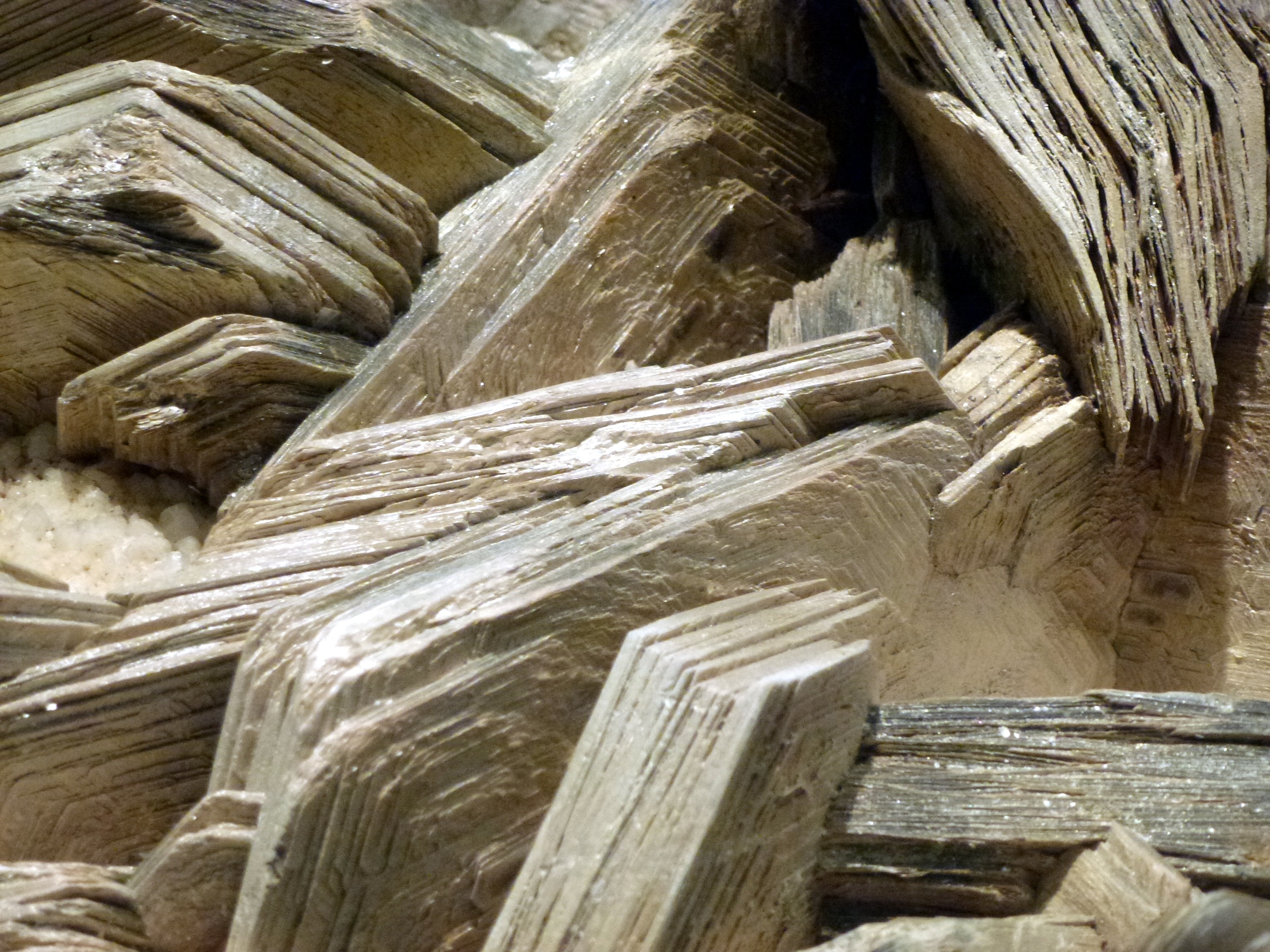
The geological story of mica begins deep within the Earth's crust, where extreme heat and pressure forge these unique silicate minerals. Their formation is intrinsically linked to the processes that create igneous and metamorphic rocks, with notable occurrences in granites, pegmatites, and schists. Historically, large, well-formed mica crystals, often referred to as 'books,' have been discovered in pegmatite deposits, some spanning several feet. The name 'mica' itself is believed to derive from the Latin word 'micare,' meaning 'to glitter' or 'to shine,' a direct nod to its lustrous appearance.
⚙️ How It Works
The defining characteristic of mica minerals is their layered silicate structure. Common mica polymorphs include muscovite (potassium aluminum silicate) and biotite (potassium magnesium iron aluminum silicate), each with distinct chemical compositions and properties.
📊 Key Facts & Numbers
Globally, mica is extracted from numerous mining operations, with China, Finland, and the United States being significant producers. Companies like Imerys and BASF are major players, processing and distributing mica-based products worldwide. For the given name 'Mica,' historical figures are less prominent, but its adoption as a given name has seen steady popularity, particularly in Western cultures, often associated with the mineral's shimmering quality.
👥 Key People & Organizations
Key figures in the geological understanding of mica include scientists like Henry B. Steacy, who contributed to the understanding of mica's physical properties, and Alfred Oppenheim, who studied its crystal structure. In the industrial application sphere, companies like Imerys and BASF are major players, processing and distributing mica-based products worldwide. For the given name 'Mica,' historical figures are less prominent, but its adoption as a given name has seen steady popularity, particularly in Western cultures, often associated with the mineral's shimmering quality.
🌍 Cultural Impact & Influence
Mica's influence extends across various cultural and industrial domains. Its shimmering quality has made it a staple in the cosmetics industry, adding sparkle to eyeshadows, lipsticks, and highlighters, a practice dating back to ancient civilizations. In art, mica flakes have been incorporated into paints and pigments to create unique visual effects. The mineral's electrical insulating properties have been critical in the development of early electronic devices, including vacuum tubes and capacitors, playing a foundational role in the information age. As a given name, 'Mica' carries connotations of light, beauty, and natural wonder, appearing in literature and popular culture.
⚡ Current State & Latest Developments
The current landscape for mica involves both continued geological extraction and evolving industrial applications. The cosmetic industry continues to rely heavily on mica for its aesthetic appeal, though ethical sourcing concerns are increasingly prominent. Research is ongoing into novel applications, such as using mica in advanced composite materials and nanotechnology-based devices. For the given name, 'Mica' remains a popular choice, with variations and related names also seeing use.
🤔 Controversies & Debates
Significant controversies surround the mining of mica, particularly concerning labor practices in regions like India, where child labor and unsafe working conditions have been widely reported by organizations like Human Rights Watch. This has led to increased scrutiny and calls for supply chain transparency from brands and consumers alike. Debates also exist regarding the environmental impact of mining operations, including habitat disruption and water usage. In the realm of personal names, while less contentious, discussions can arise about the uniqueness versus popularity of names like Mica, and its perceived gender associations.
🔮 Future Outlook & Predictions
The future outlook for mica is multifaceted. Geologically, new deposits may be discovered, but the focus is increasingly on sustainable extraction and recycling. In industry, expect continued innovation in using mica for advanced materials, potentially in areas like aerospace and renewable energy technologies. The development of synthetic mica could also mitigate some of the ethical sourcing issues associated with natural mica. For the given name, 'Mica' is likely to maintain its steady popularity, possibly seeing a resurgence as part of a broader trend towards nature-inspired names.
💡 Practical Applications
Mica's practical applications are diverse and impactful. In the automotive industry, it's used as a filler in plastics and coatings to improve stiffness, reduce shrinkage, and enhance surface finish, contributing to lighter and more durable car parts. The construction sector utilizes ground mica in drywall compounds and cementitious products for crack resistance and improved workability. Its electrical insulating properties are vital in high-temperature applications, such as in electrical insulation for wiring and components in appliances and industrial machinery. In cosmetics, it's a key ingredient for achieving shimmer and pearlescence in makeup.
Key Facts
- Category
- nature
- Type
- concept